Feel the MEDICINE | Neurology | Gait apraxia
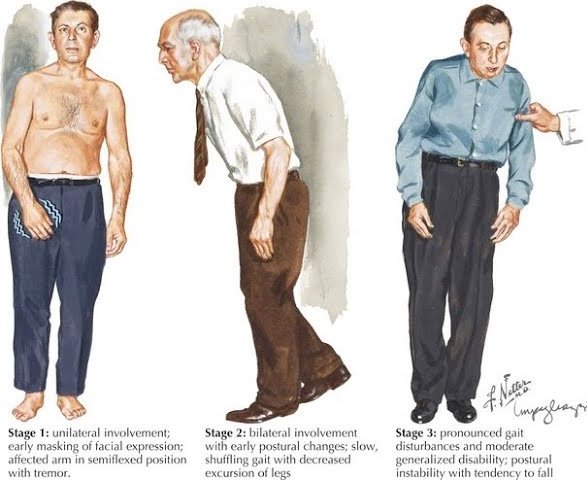
Gait apraxia is the inability to initiate and perform normal walking despite having normal muscle strength, normal sensation, and no significant cerebellar or extrapyramidal deficit. The patient has difficulty translating the intention to walk into coordinated motor action.
It is also called:
📌 Frontal gait disorder
📌 Magnetic gait
📌 Bruns' ataxia
💢 Pathophysiology
The problem is not weakness, but a failure of motor planning for gait.
Damage occurs in the frontal lobe gait center and its connections:
📌Supplementary motor area
📌Medial frontal cortex
📌Frontopontocerebellar pathways
📌Basal ganglia-frontal circuits
These pathways normally initiate and coordinate stepping.
💢Clinical Featurof
📌 Difficulty initiating walking ("feet seem stuck to the floor")
📌 Short, shuffling steps
📌 Broad-based gait
📌 Magnetic gait: feet appear glued to the floor and are lifted with difficulty
📌 Turning is difficult and slow (multiple small steps)
📌 Frequent falls
📌 Upper limb movements are relatively preserved
📌 Muscle strength is usually normal
📌 Sensation is normal
📌 No cerebellar signs
💢Common Causes
📌 Normal pressure hydrocephalus (NPH) (classic cause)
📌 Frontal lobe stroke
📌 Frontal lobe tumors
📌 Advanced vascular dementia
📌 Traumatic brain injury involving frontal lobes
💢Examination Findings
Ask the patient to:
📌 Stand up
📌 Start walking
📌 Turn around
📌 Walk through a doorway
💢Typical findings:
📌 Hesitates before taking the first step
📌 Feet appear "magnetically" attached to the floor
📌 Small shuffling steps
📌 Difficulty turning
💢 SBA
A 72-year-old man has difficulty initiating walking. His feet appear "stuck" to the floor, but muscle strength and sensation are normal. He also has urinary incontinence and mild cognitive decline. What is the most likely diagnosis?
A. Parkinson disease
B. Cerebellar ataxia
C. Normal pressure hydrocephalus
D. Peripheral neuropathy
🔷 Answer: C. Normal pressure hydrocephalus
💢 References
Davidson's Principles and Practice of Medicine, 25th Edition
Harrison's Principles of Internal Medicine, 22nd Edition
Adams & Victor's Principles of Neurology
UpToDate: Gait disorders in adults